
What to Look for When Choosing a Dog Trainer
"Choosing the right dog trainer isn't just about fixing your dog's behaviour — it's about finding someone who understands the whole relationship."
Finding a good dog trainer can feel overwhelming. There are so many people offering services online, each with different methods, credentials, and promises. But choosing the wrong trainer doesn't just waste money — it can actually set your dog back, damage trust, and create new problems in the process. So how do you separate the genuinely skilled professionals from those who simply love dogs and decided to give it a go?
Here is what you should be looking for — and asking about — before you commit to working with anyone.
Proper Qualifications and Accreditation
Unlike professions such as medicine or law, dog training is an unregulated industry in the UK. This means that, technically, anyone can call themselves a dog trainer or behaviourist without any formal training whatsoever. That makes checking credentials absolutely essential.
Look for trainers who hold recognised qualifications in canine behaviour and training — such as those accredited by the Association of Pet Dog Trainers (APDT), the Institute of Modern Dog Trainers (IMDT), or those who are certified as clinical animal behaviourists through the Animal Behaviour & Training Council (ABTC). These organisations require ongoing professional development, so accreditation isn't just a badge — it reflects a commitment to staying current with the science of animal behaviour.
Beyond certificates, consider whether your trainer brings additional relevant expertise to the table. A background in psychology, ethology, or even psychotherapy can offer a richer, more nuanced understanding of behaviour — both canine and human.
A Balanced, Thoughtful Approach to Training
Be cautious of trainers who sit rigidly at either extreme of the training spectrum. On one end, you have those who rely on harsh, heavy-handed corrections with no regard for the dog's emotional state. On the other, trainers who categorically refuse to use any form of correction whatsoever — which can leave owners without the full toolkit they need, particularly with stronger, more stubborn, reactive or aggressive dogs.
The most effective trainers work in a balanced way: rewarding good behaviour generously and consistently, while also being clear and fair when a correction is needed. Positive reinforcement should absolutely be the first port of call — dogs learn brilliantly when they are motivated and engaged — but there are situations where a calm, well-timed correction using a slip collar, for example, communicates far more clearly to a dog than a treat ever could. Used correctly and without anger, corrections are not cruel. They are clear.
What matters is that any correction is proportionate, timely, and followed by the opportunity to get it right. A good trainer will never correct a dog out of frustration, and will always explain to you exactly why a particular tool or technique is being used and what it is achieving. Transparency and good judgement — not dogma — are the hallmarks of a trainer worth trusting.
They Work With You, Not Just Your Dog
One of the most overlooked aspects of dog training is the human side of the lead. Many trainers focus entirely on the dog — teaching the animal to sit, stay, heel — while paying little attention to the person holding the lead. But the reality is that most behavioural issues are relational. They emerge from the dynamic between owner and dog, from patterns of communication, from the anxieties and habits that humans bring to the relationship without even realising it.
The very best trainers understand this. They will observe how you interact with your dog, gently identify habits that may be inadvertently reinforcing unwanted behaviour, and equip you with practical tools and a new way of thinking. When you leave a session with a skilled trainer, you should feel more capable and confident — not just your dog.
Ask any prospective trainer how much of their work involves the owner. If the answer is "very little," think twice.
A Personalised, Not One-Size-Fits-All, Plan
Every dog is different. A boisterous Labrador puppy, a nervous rescue Lurcher, and a reactive Staffie all require completely different approaches — even if the presenting problem looks similar on the surface. Be wary of any trainer who offers a generic programme with no initial assessment or consultation.
A good trainer will take the time to understand your dog's history, temperament, environment, and the specific challenges you are facing before designing a training plan. They will want to understand your lifestyle too — your routines, your home, who else interacts with your dog. The best results come from training that is built around your actual life, not a theoretical model.
Ask how sessions are structured, whether there is an initial assessment, and how the trainer adapts when things aren't going as planned. A great trainer is flexible, observant, and responsive — not rigidly attached to a script.
Genuine Experience and a Track Record
Qualifications tell you what someone has studied. Experience tells you what they've actually encountered in the real world. Look for a trainer who has worked with a wide variety of breeds, ages, and behavioural issues — not someone who specialises in one type of dog or one type of problem.
Don't be afraid to ask how long they have been working with dogs professionally, what kinds of cases they have dealt with, and how they approach complex or challenging behaviours. Ask for testimonials or case studies. Genuine professionals will be more than happy to share evidence of their work. Look for testimonials that speak to lasting, meaningful change — not just a dog that briefly performed a trick.
Clear Communication and Ongoing Support
Training doesn't stop at the end of a session. The real work happens at home, in the park, in the moments when things go wrong and you're not sure what to do. A good trainer knows this, and they will give you the tools, resources, and ongoing support to continue making progress between sessions.
Pay attention to how a trainer communicates with you from your very first interaction. Are they clear and straightforward? Do they listen carefully to what you're describing, or do they offer a diagnosis before they've heard the full picture? Do they make you feel judged, or supported? The relationship you build with your trainer matters — you need to feel comfortable enough to be honest about your struggles.
A trainer who offers follow-up support, written notes after sessions, or between-session availability is investing in your long-term success — and that is exactly who you want in your corner.
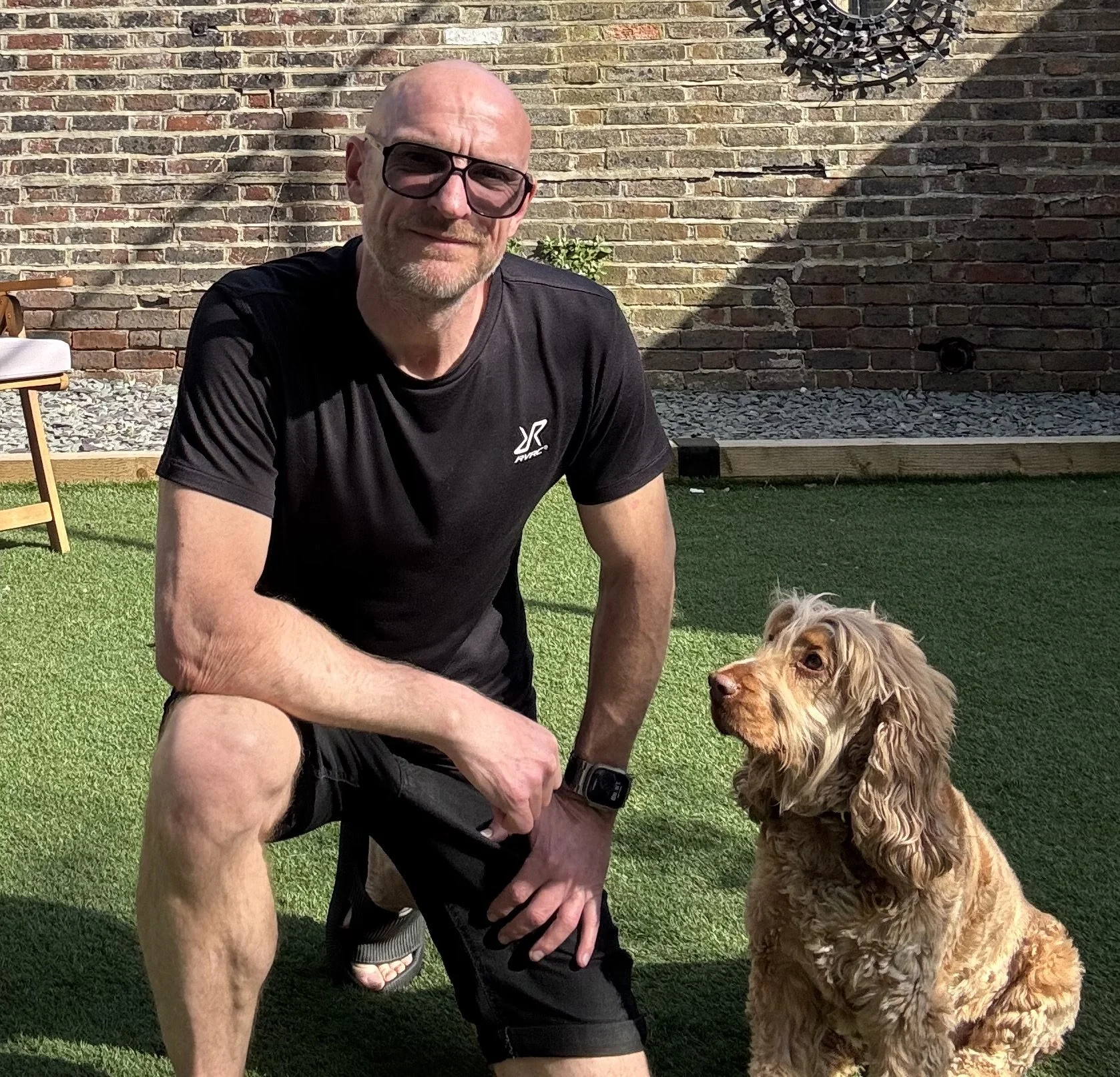
Finding the right trainer is one of the most important decisions you'll make for your dog's wellbeing — and for your own peace of mind. The right person won't just teach your dog a set of commands; they'll transform the way you and your dog understand and relate to each other. Take your time, ask the right questions, and trust your instincts. When you find the right fit, you'll know.
Ready to Work with Me?
South London Dog Training offers tailored one-to-one sessions for dogs and owners across Brixton, Clapham, Herne Hill, and the wider South London area.
